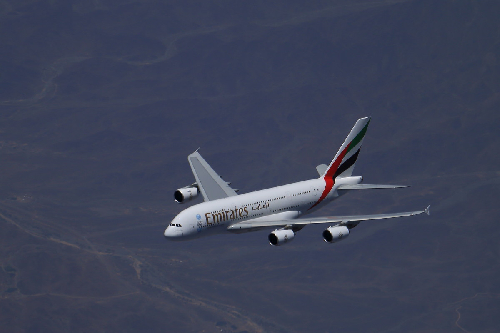
Emirates is making significant changes to its Airbus A380 network, temporarily removing the world’s largest passenger aircraft from several international routes and replacing it with Boeing 777 aircraft on selected services. The Dubai-based airline is reshuffling its widebody fleet across a number of major destinations as it balances aircraft availability, maintenance requirements, seasonal passenger demand and its extensive A380 refurbishment programme.
According to schedule filings, Emirates is adjusting A380 operations connecting Dubai with several international destinations, including Kuala Lumpur, Moscow, Munich, Osaka, Prague, Singapore, Sydney, Zurich, Perth, Bangkok, Johannesburg and Rome.
Depending on the route, the changes include replacing certain A380 services with Boeing 777 aircraft or modifying flight frequencies and aircraft rotations. Changes are also expected on selected routes to the United States. Houston is set to move from the A380 to the Boeing 777-200LR, while Washington Dulles will see the Boeing 777-300ER deployed instead.
While the Boeing 777 remains a major long-haul aircraft, replacing an A380 can result in noticeable differences for passengers. Emirates’ A380s can accommodate well over 480 passengers, depending on configuration, and are particularly famous for premium features such as the Onboard Lounge and shower facilities available to eligible First Class passengers. Travellers who specifically booked their journey to experience the double-decker A380 may therefore want to check the aircraft scheduled for their flight closer to departure.
The temporary adjustments do not necessarily indicate that Emirates is moving away from the Airbus A380. Instead, the changes are linked partly to the airline’s major A380 refurbishment programme, under which aircraft are periodically removed from regular operations to receive upgraded cabin interiors.
The programme includes the introduction of refreshed cabins and Premium Economy seating on additional aircraft. Whenever an A380 enters the refurbishment or maintenance process, Emirates must deploy another aircraft to cover its scheduled services, making the Boeing 777 a natural replacement on many routes.
Emirates remains the airline most closely associated with the Airbus A380 and continues to operate the world’s largest fleet of the double-decker aircraft. The airline is reportedly targeting approximately 110 operational A380s by the end of 2026 as refurbished aircraft progressively return to service. For now, the September schedule changes represent a major exercise in fleet management rather than the end of Emirates’ A380 strategy, with the iconic superjumbo expected to remain an important part of the airline’s long-haul network.